
Belonging is how learning takes root.
By the middle of the school year, the truth shows up.
Some students have found their people.
Others are still searching.
A few are hoping someone notices.
Belonging is not a bonus. It is not extra. It is the ground students stand on.
At Crossroads, we see this play out every day across our campuses. And over time, we’ve learned that belonging doesn’t fail because people don’t care. It fails because of a few quiet myths that get in the way.
Myth #1: Belonging just happens if kids share a building.
It doesn’t.
Students can sit in the same classroom, walk the same halls, and still feel invisible. Belonging only grows when adults are intentional—when we pause to notice who feels connected and who might be drifting.
That’s why we build time and space for connection at Crossroads. Advisory, small groups, and daily check-ins aren’t add-ons. They are how students learn that they matter here.
Myth #2: One friend is enough.
Friendship matters. But one connection is fragile.
When a student depends on a single relationship, one conflict or schedule change can leave them feeling alone again. Belonging is stronger than friendship. It’s knowing there are multiple people—peers and adults—who recognize you and care if you’re missing.
Students with a circle recover faster, take more risks, and show up with confidence.
Myth #3: Belonging is less important than academics.
This myth does real harm.
When students don’t feel safe or known, learning slows down. They hesitate. They protect themselves instead of stretching themselves.
At Crossroads, we see the opposite too. When students feel they belong, they ask questions. They share their thinking. They try again after mistakes. Belonging doesn’t replace high expectations—it makes them possible.
Myth #4: Older students don’t need help finding their people.
Older students are often better at hiding.
Transitions, new schedules, and growing independence can make connection harder, not easier. Many students won’t raise their hand to say they feel alone.
That’s why we stay focused on relationships at every grade level. Belonging doesn’t age out. It just shows up differently.
Myth #5: Belonging means fitting in.
Belonging is not about changing who you are. It’s about being known.
When students feel pressure to blend in, they shrink. When they feel recognized—language, culture, learning style and all—they grow.
True belonging tells students, “You don’t have to hide here.”
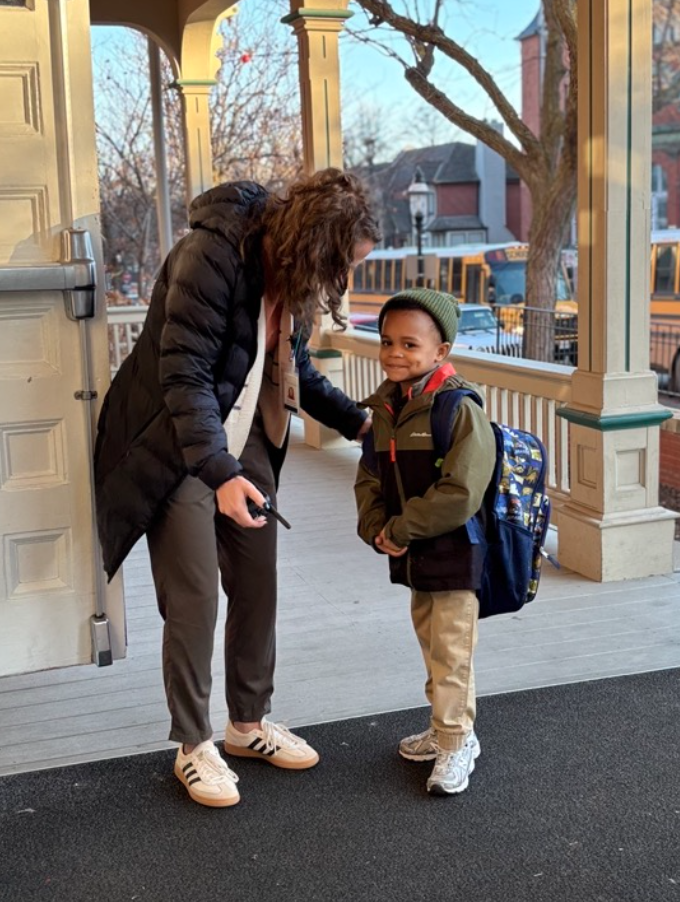
You see belonging at Crossroads in everyday moments. In greetings by name. In adults who follow up after a hard day. In classrooms and clubs where students feel expected and welcome.
Every student needs a circle. And when schools build belonging on purpose, students don’t just show up—they thrive.