
Most people picture learning as something that happens inside a building.
Four walls. A teacher. A lesson. A test.
That picture is familiar—but incomplete.
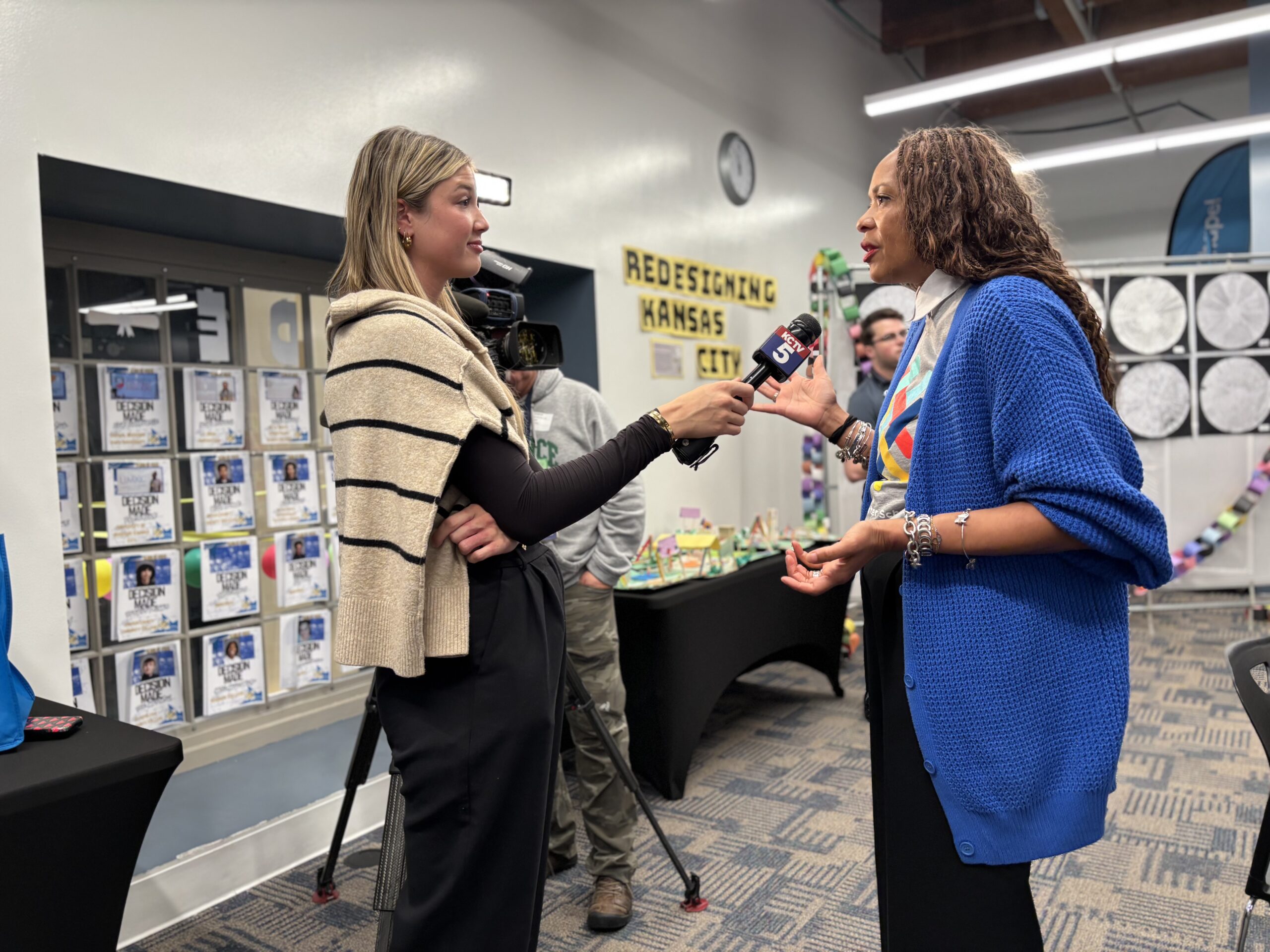
Learning does not stop at the school doors. And when schools treat the world beyond their walls as part of the classroom, learning changes in powerful ways.
The problem with keeping learning inside the building
When learning stays confined to classrooms, students often learn about the world instead of learning in it.
They memorize facts. They practice skills in isolation. They wait for the day when learning will finally matter outside of school.
Over time, that gap grows. Students may do well in school but struggle to see how learning connects to their lives or their future.
A different way to think about learning
There is another way to think about school.
Instead of seeing the city as a place students go after learning is finished, schools can see the city as part of the learning itself.
Neighborhoods become texts to study. Local challenges become problems to solve. Community partners become real audiences for student work.
This is not enrichment. It is instruction.
When learning meets real need, it becomes powerful
In Mrs. McPike’s class at Quality Hill, students were studying Americans who stood up for causes that mattered. Instead of stopping at the lesson, students looked around their own community and asked, What matters here?
They chose to fight hunger.
Students planned a food drive, created posters, gave speeches, and invited their school to take part. Together, they collected 928 pounds of food, providing 770 meals for families across Kansas City.
The lesson didn’t end with understanding leadership.It ended with students practicing it.
Rigor looks different when work matters
Rigor is often confused with difficulty. More homework. Harder tests. Longer assignments.
But real rigor shows up when students are trusted with meaningful work.
When their ideas matter.When their work is seen.
When accuracy and effort count because the outcome matters.
Why this kind of learning can feel uncomfortable
Real world learning is not always neat.
It cannot be fully scripted. Outcomes vary. Students make mistakes in public. Learning requires flexibility.
That discomfort is not a weakness. It reflects learning that mirrors real life—where problems are complex and solutions take time.
Confidence grows when students become contributors
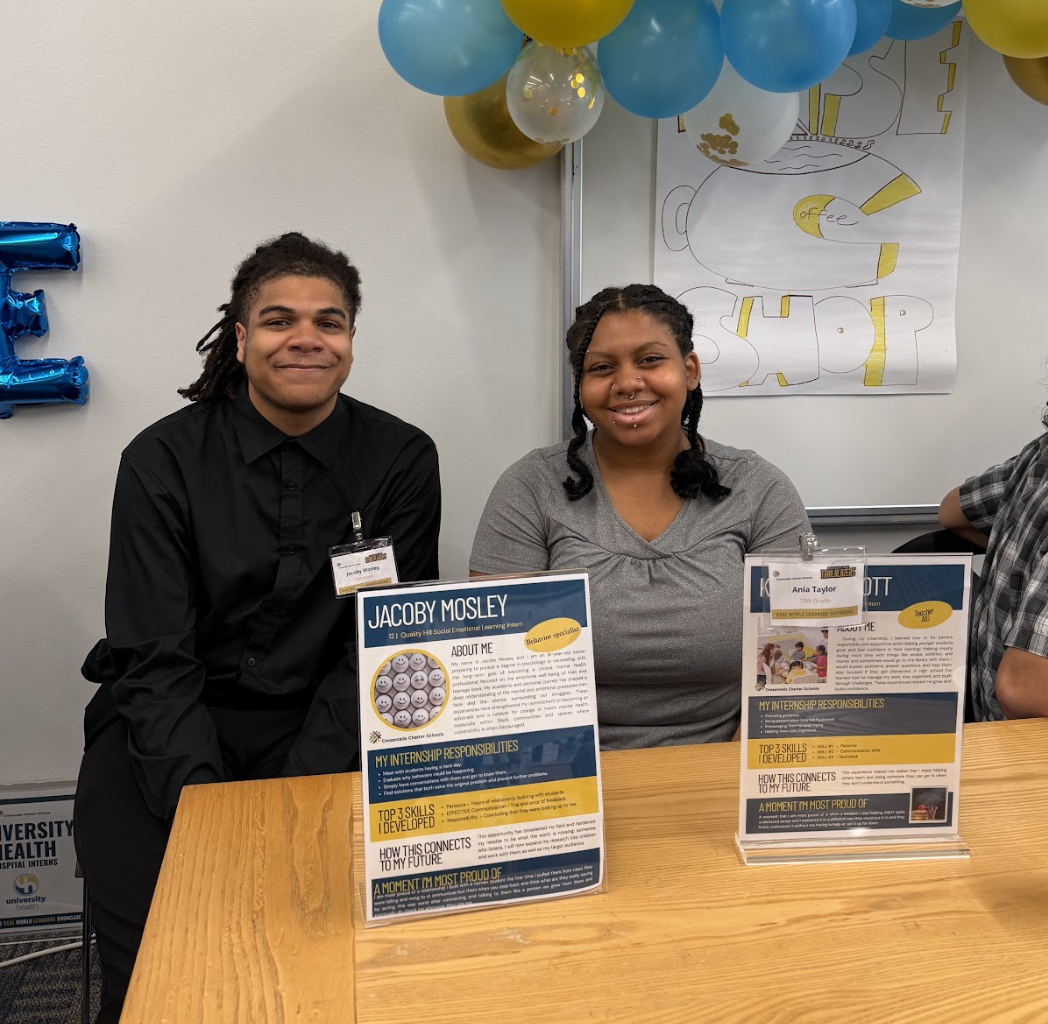
When students engage in real work, they begin to see themselves differently.
They gain confidence.
They learn to communicate with adults.
They understand their role in their community.
They stop asking, “Why does this matter?” and start asking, “What can I do next?”
Preparing students for what comes next
Schools exist to prepare students for life beyond graduation—not just the next test.
At Crossroads Charter Schools, real world learning is not a program. It is a belief about how learning works best.
When the city becomes the classroom, learning becomes preparation—not isolation.
And students leave school ready for what comes next.