
What if leadership didn’t start with a title—but with a choice to care?
Every morning, before the first bell rings, leadership quietly takes its place in our halls. It’s the student who holds the door open. The teacher who stays after class to help. The family who cheers from the gym bleachers downtown, reminding every child they belong.
At Crossroads Charter Schools, we’ve learned that leadership isn’t loud. It isn’t reserved for certain people or positions. It’s a practice—a daily decision to make things better, right where you stand.
This is what real-world learning looks like in motion.
1. Leadership begins with small actions that matter
In every Crossroads classroom, we remind students: you don’t have to wait to lead.
Leadership starts the moment you do what’s right—even when it’s hard.
Picking up what someone dropped.
Speaking up when something’s unfair.
Finishing strong when you’d rather give up.
Those moments build more than good habits. They build character. And character, over time, becomes the foundation for success in every part of life—school, work, and beyond.
We see it in our youngest scholars learning to share materials during art projects. We see it in our high schoolers finishing a tough group presentation. Each choice, however small, strengthens the kind of leadership that lasts.
2. Leadership grows when we trust kids with real work
When students take on projects that matter, something shifts.
They don’t just learn—they rise.
They plan events.
They lead morning meetings.
They guide tours for guests visiting downtown Kansas City.
They help shape ideas that improve their school and city.
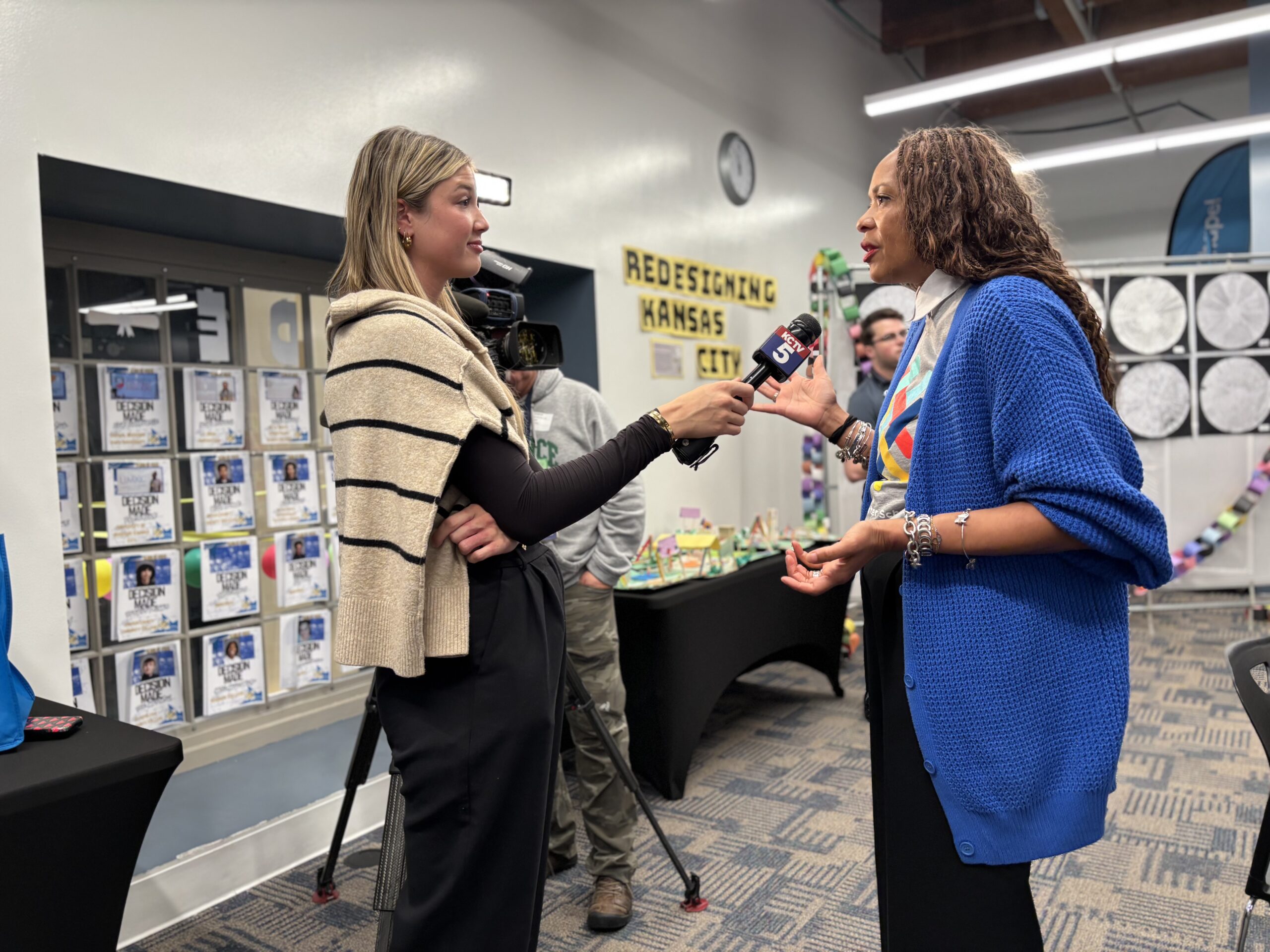
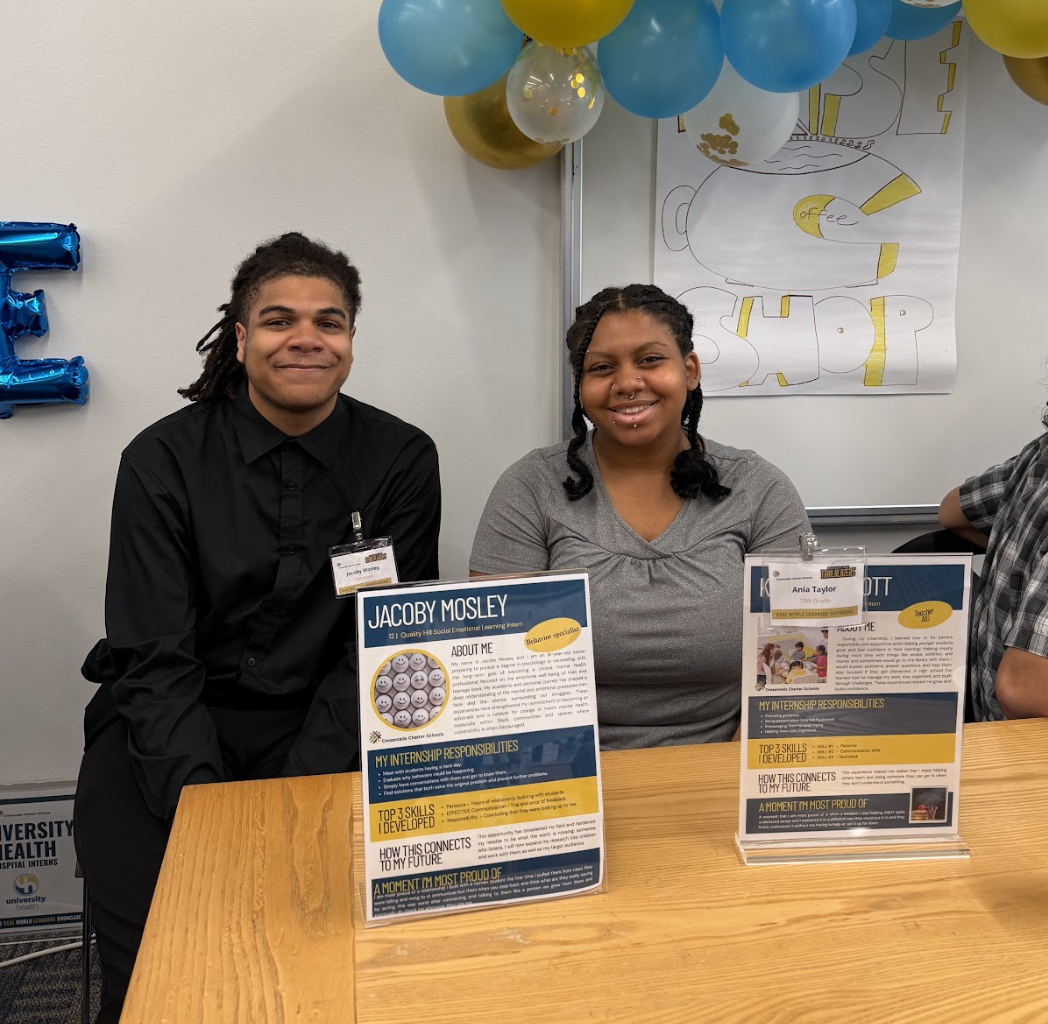
Through our Real-World Learning partnerships, Crossroads students connect classroom lessons to authentic work in the community. They design solutions, create business plans, and collaborate with local organizations. In the process, they discover that leadership isn’t waiting for adulthood—it’s something they can live right now.
This is what we mean when we say our students are Built for What’s Next.
And it doesn’t stop at the school doors. Families carry it forward—talking at home about effort, kindness, and responsibility. Every conversation strengthens the bridge between learning and life.
3. Leadership isn’t about being in charge—it’s about being part of something bigger
True leaders don’t stand above others; they lift others up.
At Crossroads, leadership is a shared rhythm.
Our teachers lead by listening.
Our families lead by staying engaged.
Our students lead by cheering each other on.
It’s a circle of trust that keeps our community strong.
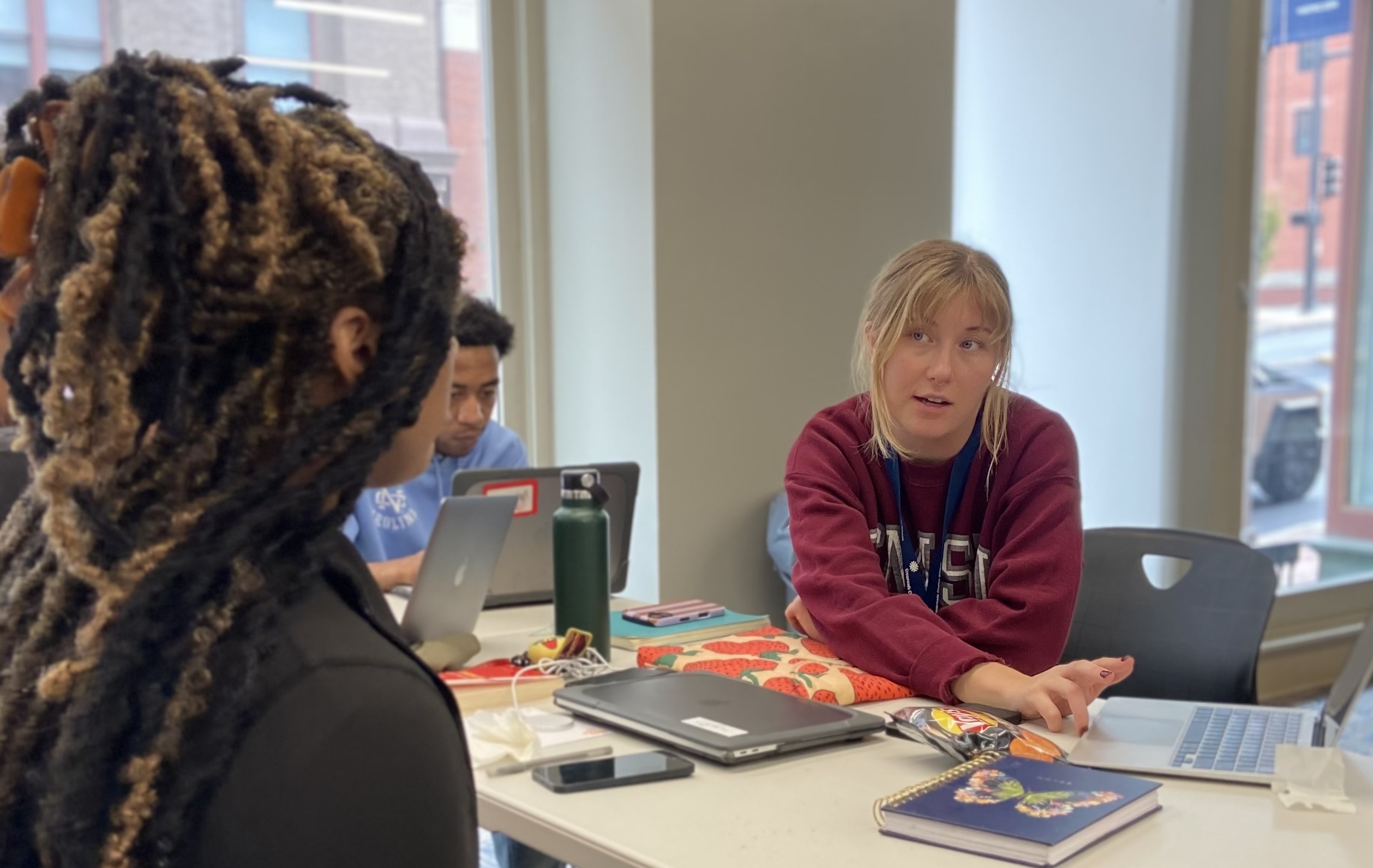
When a fifth grader helps a classmate master a math problem, that’s leadership. When a teacher mentors a student through a tough semester, that’s leadership. When parents show up—again and again—to support field trips, games, and performances, that’s leadership too.
Here, leadership doesn’t sit at the top. It spreads out—across every hallway, classroom, and corner of Kansas City we touch.
4. Leadership grows stronger when learning feels real
In our schools, the community is the classroom.
Our students explore local businesses, work alongside partners, and take on projects that make a difference in their city. They don’t just memorize facts—they practice confidence, teamwork, and care.
Whether it’s a middle-school group designing sustainable products or high-school scholars interning with Kansas City employers, every experience builds skills that prepare them for the world ahead.
Because one day, those same students will walk into boardrooms, hospitals, studios, and classrooms carrying the lessons they practiced here—how to serve, how to lead, and how to lift others as they climb.
The quiet power of leadership
Leadership doesn’t need a spotlight. It just needs someone willing to start.
Every day, we see it.
A student standing tall.
A teacher lighting the spark.
A family reminding them who they can be.
That’s leadership.
And that’s Crossroads Charter Schools—Kansas City’s charter school where real-world learning turns care into action, and every student learns to be Pro Ready.
Reflection
Think about your own day—what small act of leadership can you model for the young people watching you?
Because when we lead with care, others learn to do the same.