
Students engage differently when curiosity is encouraged.
Something changes when students are given room to explore ideas, solve problems in original ways, and create something that feels personal to them.
Energy shifts.
Questions become bigger.
Participation becomes more natural.
Students begin thinking beyond simply getting the “right answer.”
Because creativity is not just about art projects or performances.
It is about learning how to think, adapt, experiment, and express ideas with confidence.
That has always mattered at Crossroads.
Creativity Gives Students Another Way To Find Confidence
Not every student discovers confidence in the same way.
Some students find it through leadership.
Some through athletics.
And some begin finding their voice when they are finally given room to create something original.
A student who rarely speaks suddenly shares an idea during a project discussion.
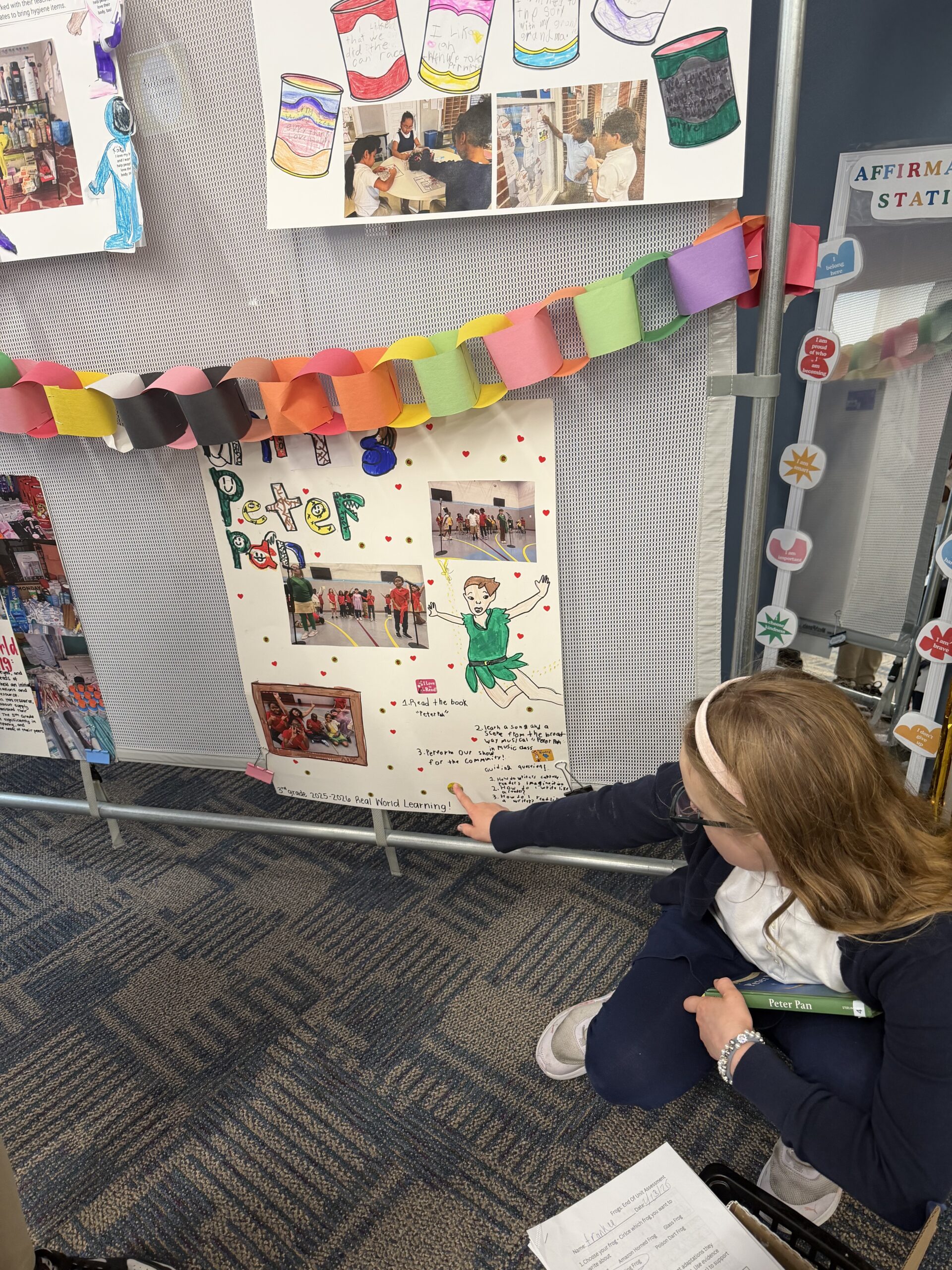
A hesitant learner becomes fully engaged while designing, building, writing, performing, or solving a problem in a new way.
Creativity often opens doors for students who are still discovering where they fit and how they learn best.
And once students experience that feeling, they often begin approaching other challenges differently too.
Original Thinking Requires Room To Explore
Creative learning is not always neat or predictable.
Ideas need revision.
Projects fail before they improve.
Solutions take longer than expected.
That process matters.
Because original thinking usually grows through experimentation, problem-solving, and persistence — not perfection.
Students become more willing to take creative risks when they know mistakes are part of learning instead of something to fear.
At Crossroads, classrooms are designed to help students think independently, explore ideas deeply, and approach challenges with curiosity.
Teachers recognize that students learn differently and work creatively to help students stay engaged, challenged, and connected to the learning process.
That kind of environment changes how students see themselves.
Creative Classrooms Change How Students Approach Learning
Classrooms feel different when students are not only consuming information, but also creating, discussing, building, revising, and contributing their own ideas.
More collaboration happens.
More ownership develops.
More students begin seeing themselves as capable contributors instead of passive learners.
That shift is powerful.
Because creativity does more than make learning interesting.
It helps students build confidence in their own thinking.
And once students begin trusting their own ideas, they often become more willing to participate in every part of school life.
Creativity Is Really About Possibility
At its best, creative learning helps students discover strengths they may not have recognized in themselves before.
A new idea.
A different perspective.
A problem solved in an unexpected way.
Those moments help students realize they are capable of contributing something meaningful.
And in a world that continues to change quickly, that ability matters more than ever.
Students will need to adapt, collaborate, problem-solve, and think creatively throughout their lives.
Those skills are built when students are trusted to explore, create, and grow.
Looking Ahead
Every member of the Crossroads community is both a learner and a creator.
That belief shapes how classrooms feel, how students engage, and how learning comes to life across the school community.
Because creativity is not an extra at Crossroads.
It is part of how students build confidence, discover their voice, and begin imagining what is possible for themselves.