
Belonging does not come from being invited.
It comes from being trusted.
For a long time, schools thought family engagement meant showing up.
Come to the meeting.
Attend the event.
Sit in the chair.
That was the old way of thinking.
Because showing up is not the same as belonging.
Belonging begins when families help decide what matters, not just support what already exists.
Showing Up Is Not Belonging
Families can be present and still feel like outsiders.
They can attend events and still feel unsure.
They can listen and still feel unheard.
Belonging is different.
Belonging is when families know their voices matter.
When their ideas shape the school.
When they feel ownership, not distance.
When families don’t feel they belong, students feel it first.
Schools don’t build belonging by counting attendance.
They build it by sharing purpose.
Families Are Partners
Schools are strongest when families are not just involved.
They are partners.
Partners help think.
Partners help decide.
Partners help lead.
That belief shows up in real ways.
Our unified, cross-campus Parent-Teacher Organization brings families together not just to support events, but to make a difference.
Families collaborate across schools.
Ideas move beyond one campus.
Leadership is shared.
That kind of partnership changes how a community feels.
Belonging grows when families help shape the school, not just support it.
Sharing Trust Feels Hard
Sharing leadership requires trust.
And trust can feel risky.
It means letting go of control.
Listening closely.
Making room for voices that may change the plan.
But keeping families at a distance costs more.
When schools choose trust, families step forward with care and commitment.
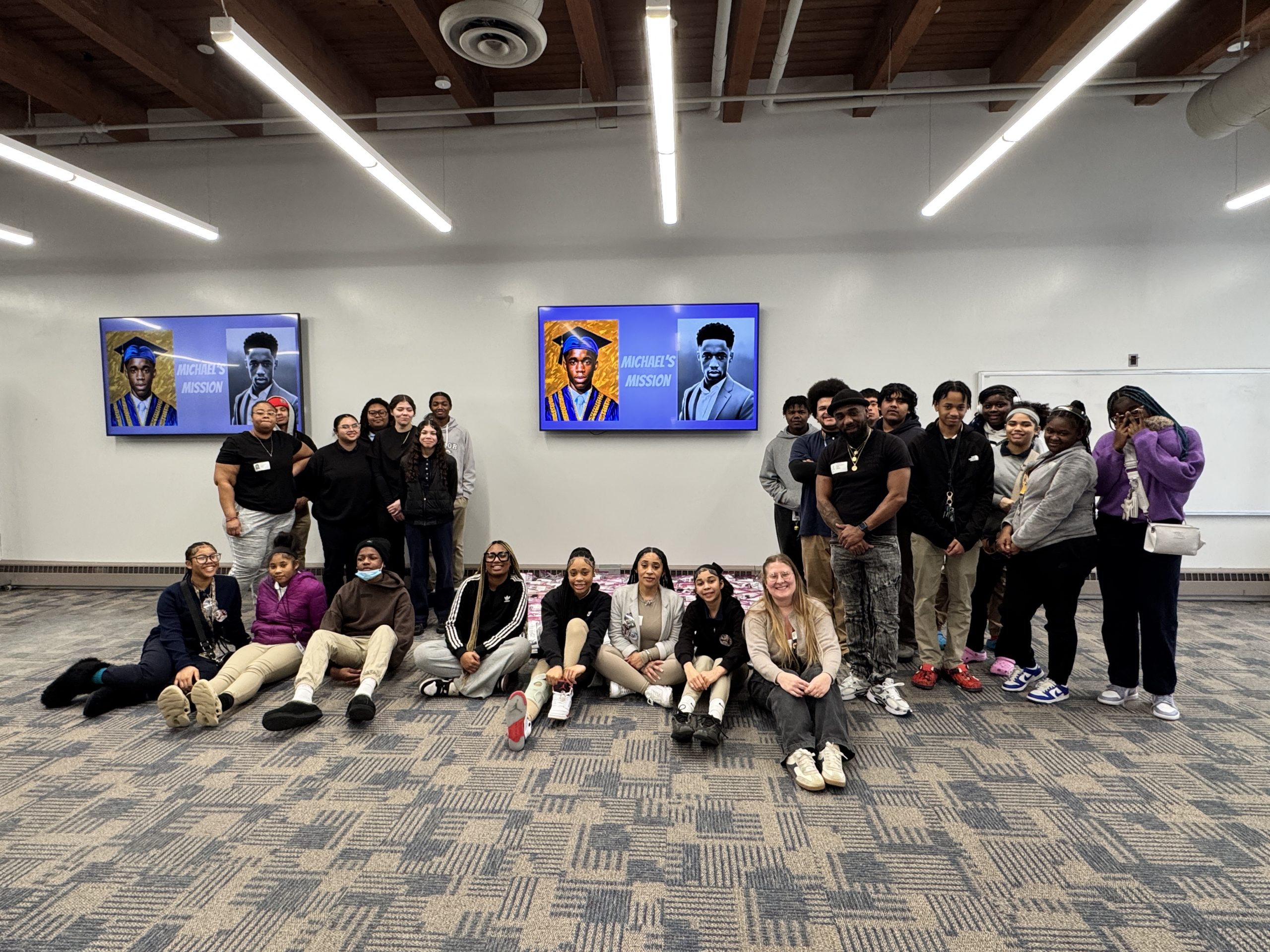
That truth is clear in moments like Michael’s Mission.
Michael believed deeply in caring for others.
After his passing, students and families carried that belief forward—not because they were asked to, but because they felt connected.
Students led.
Families supported.
The community acted.
Leading Together Builds Belonging
The strongest schools are not led by one voice.
They are led together.
Students.
Families.
Teachers.
Leaders.
When families help lead, schools feel warmer.
Students feel safer.
Learning feels more human.
Belonging grows when people know they are needed, not just welcomed.
What Belonging Really Means
Belonging is not a program.
It is not a theme.
It is not one week on the calendar.
It is a way of working together.
It means:
- Families help shape what matters.
- Voices are invited early.
- Trust is shared, not guarded.
- Leadership is collective.
When belonging is strong, schools hold together—especially in hard moments.
What this looks like in practice
Belonging grows when families lead in small, real ways.
Here are a few that matter.
- Invite families in early, not after decisions are made.
Share ideas while they are still forming. Ask for input before plans are finalized, not once they are announced. - Give families real ownership, not just roles.
Instead of asking families to support events, invite them to help shape priorities.
Ownership builds commitment faster than attendance ever will. - Let families see how their input changes things.
Close the loop. Say, “Here’s what we heard—and here’s what we changed.”
Trust grows when people see their voice move something. - Create spaces where families lead together across schools.
When leadership stays siloed, belonging stays small.
Shared leadership across campuses builds shared purpose. - Treat trust as something you practice, not protect.
Trust grows through use.
Each time leadership is shared, belonging deepens.
Moving Forward Together
School is stronger when families lead too.
Not someday.
Now.
When families step forward with purpose, and schools make room for that leadership, something powerful happens.
Care turns into action.
Community turns into belonging.
And students learn what it means to matter.
Students believe they belong when the adults around them act like one community.